
National messaging doesn’t always resonate with local consumers. However, your channel partners know how to relate to these communities. The key is creating locally relevant content that resonates with these unique audiences while maintaining alignment with your global marketing standards — a process known as marketing localization.
Here’s how to make your global content locally relevant while ensuring every campaign is still on-brand.
What is marketing localization?
Marketing localization is the process of strategically adapting a brand’s global marketing to resonate with local audiences while still preserving brand image. Localized campaigns are tailored to suit consumers’ cultural, linguistic, and regional preferences by implementing locally relevant messaging, visuals, and references. The purpose of marketing localization is to cultivate deeper connections with consumers in your brand’s local communities, driving higher engagement and conversions.
What are the benefits of marketing campaign localization?
Localized marketing has many advantages for brands, such as:
- Stronger customer relationships: Speaking to your local consumers’ unique cultures, needs, and preferences helps you form stronger relationships and deeper trust with your target audience.
- Increased engagement: By creating locally relevant marketing content, your campaigns are more likely to grab consumers’ attention and inspire them to engage with your brand.
- Accessing new markets: Localization allows your brand to connect with consumers in markets you may not have had access to before.
- Gaining a competitive advantage: Localized campaigns distinguish your brand from competitors by showing consumers you understand them, even if you don’t share the same location.
How to make your global brand marketing locally relevant with marketing localization
Your marketing localization strategy should include the following steps as you guide your channel partners toward success.
1. Conduct local research
Researching your local audience is a crucial first step in the marketing localization process. By conducting research, you can better familiarize yourself with the consumers you plan to target to ensure your marketing is maximally effective.
As you research your audience, distinguish them in your marketing strategy by determining the following information:
- Demographics: Discover demographic information, such as gender, location, race, age, education, and income.
- Culture: Educate yourself on the local culture by learning about local customs, holidays, values, language, symbols, and norms.
- Preferences: Gather preference-based information about your audience, like which social media platforms they use most, what devices they prefer to use when consuming content, and what types of content they’re most interested in.
There are numerous ways you can go about collecting these consumer insights, such as sending out surveys, leveraging social media analytics, performing keyword research, or conducting interviews.
2. Leverage audience segmentation
Once you’ve thoroughly researched your local audiences, you can begin segmenting them into distinct groups within your contact list using location-based characteristics such as region, store location, culture, or language. Audience segmentation is an excellent way to deliver more relevant, personalized marketing based on consumers’ unique characteristics, further increasing the likelihood of conversion.
3. Select the right channel mix
Every audience is different, which is why you can’t rely on the same marketing channels across all your locations. Audience channel preferences often vary by region, so reference the data you collected during the research phase to determine which channels each segment uses most, then adapt your localized marketing for each of those channels.
For example, only 40% of adults aged 50-64 use Instagram, whereas 74% use Facebook. So, for a brand marketing to a location with an older demographic, Facebook would likely garner the best results.
4. Choose types of content to localize
There are many types of content you can localize to enhance the effectiveness of your marketing:
- Blogs: Utilize localized keywords and location-relevant topics to drive relevant web traffic. (Ex., “best shoes for hiking in Colorado,” “hurricane-proof windows,” “best plants to grow in the South”)
- Ads: Localized ad campaigns often outperform generic ones by conveying a sense of familiarity and interest.
- Emails: Leverage your local audience segments when sending personalized emails while keeping in mind to deploy emails during peak timeframes in their local time zones.
- Events: Host or participate in local events to form relationships within your partners’ communities.
- Social posts: You can collaborate with local influencers to tap into their local followers while gaining credibility and trust.
- Case studies: Case studies featuring your channel partners’ work with local customers are a great form of localized social proof.
- Landing pages: Create location-specific landing pages for each partner to drive customers to your locations while improving SEO.
5. Create locally relevant content
After you’ve determined your audience, channels, and content types, you can begin localizing. No matter what types of content you utilize in your campaigns, there are four essential elements they should encompass to ensure successful marketing localization.
Language
Naturally, your content should be written in the appropriate language for your intended audience, but true localization goes beyond just translation. It also includes other linguistic characteristics, such as vernacular, tone, slang, and idioms. Weaving these local idiosyncrasies into your messaging will help your brand speak on your audience’s level.

For example, say your brand is promoting a sale on athletic footwear across your retail locations. Because the terminology used to describe this type of shoe varies across regions, it’s important to localize the language by location. So, if you were targeting consumers in the Northeast, you would use the word “sneakers.” For Southern, Midwestern, and Western states, the term “tennis shoes” would resonate more.
Visuals
You can make your global brand content visually meaningful to your local audiences by incorporating locally relevant colors, imagery, and symbols.
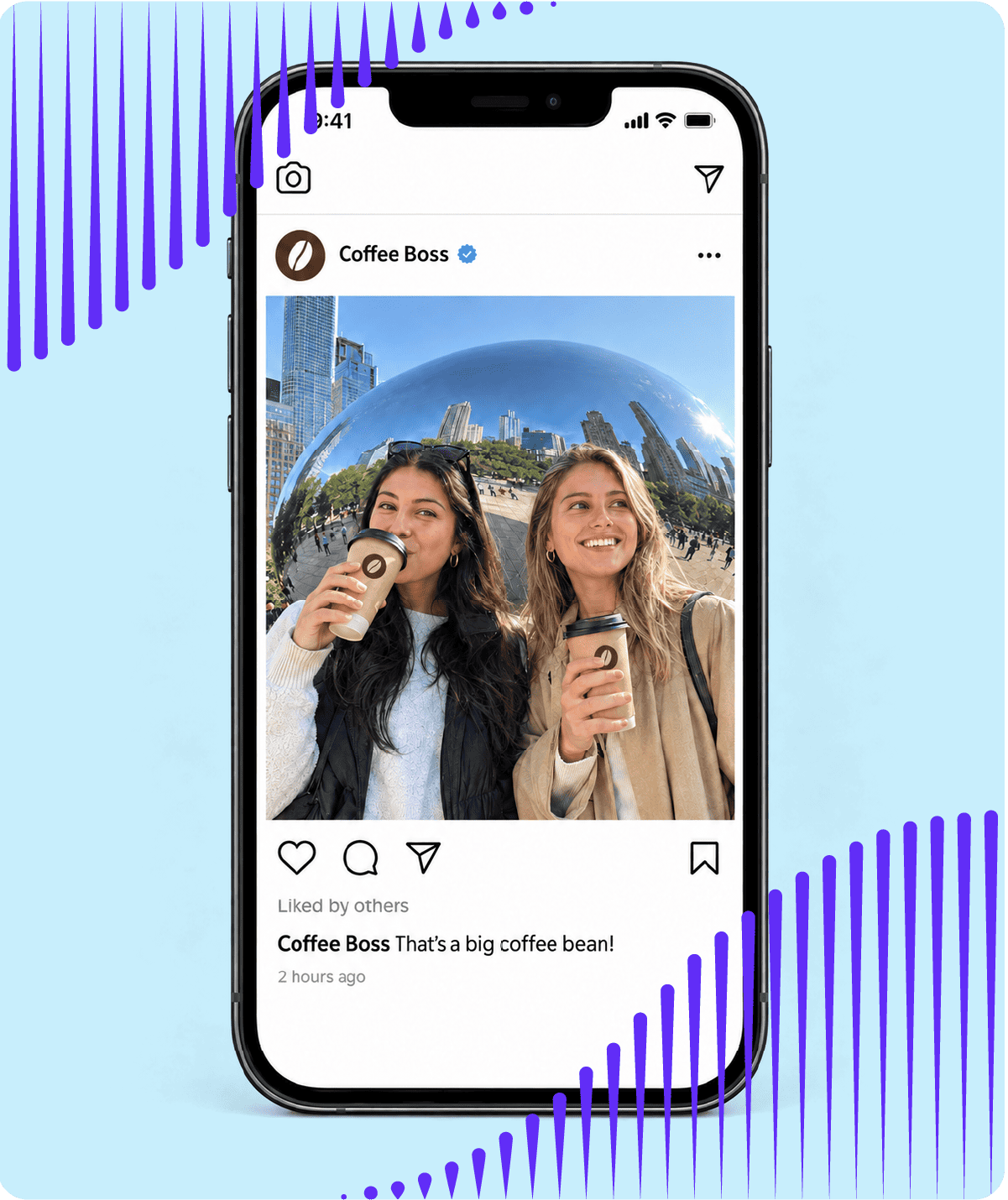
For example, if you were promoting your product to consumers in Chicago, you might use the city’s famous landmark, the Chicago Bean, as part of the visual to drive local appeal.
Culture
While culture can be a bit nuanced, it’s another important aspect of marketing campaign localization. Culture includes a group’s local holidays, customs, humor, and references. Taking an audience’s culture into consideration shows a level of respect and recognition that reflects positively on your brand.
One way to incorporate cultural references into your local marketing is to post about timely, trending topics, such as local news, holidays, and events.

For example, Fat Bear Week is an annual event held in Katmai National Park in Alaska that’s boomed in popularity over the last few years. This contest allows people to vote for the fattest bear as the brown bear population gains weight ahead of hibernation. Incorporating this event into your global brand marketing would be a great way to connect with consumers in Alaska.
Format
Format is a subtle but important element to consider when localizing your marketing content — especially for global brands with channel partners positioned around the globe. Format refers to the configuration of dates, times, currency, units of measure, and addresses, as these elements vary from country to country.
Think of how you would write out a date in the United States versus a European country. In America, we order dates by month/day/year, whereas Italy, for example, uses the day/month/year format. While this is a small difference, it’s one that consumers will notice.
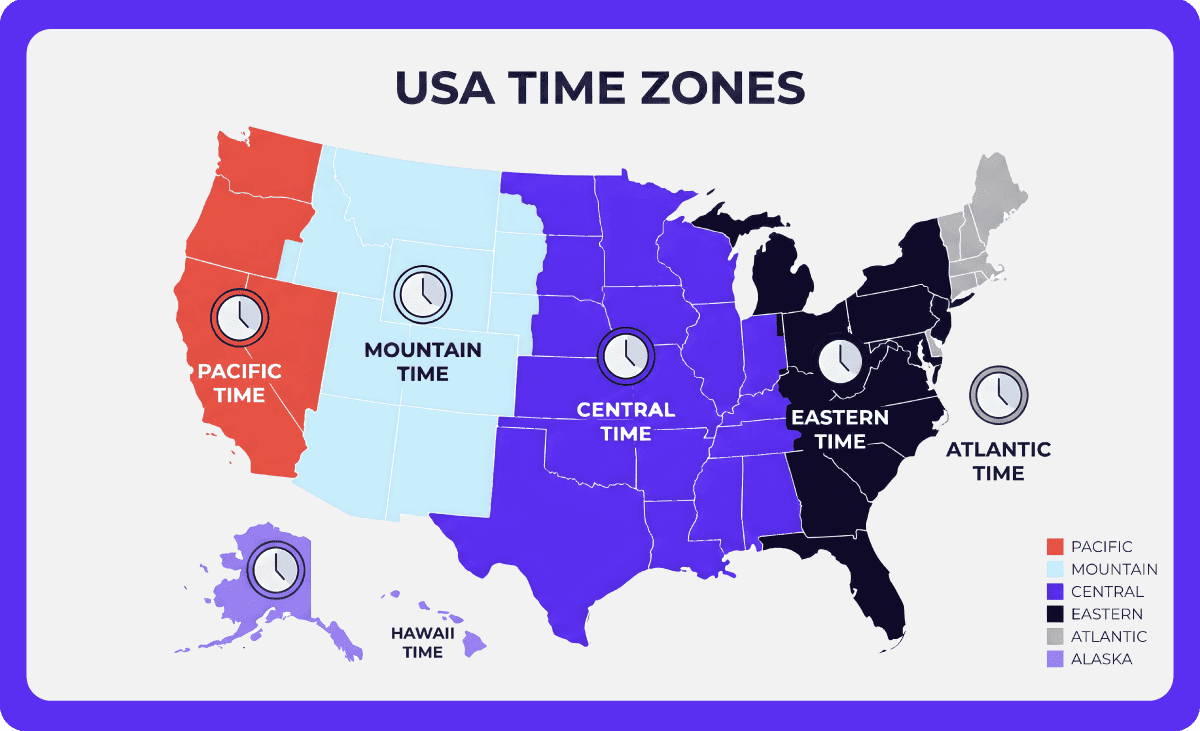
It’s also important to pay attention to time zone differences, paying mind to launch posts, emails, and events when local consumers are most active.
6. Implement compliance workflows
While adjusting language and visuals is a key part of the marketing localization process, it’s vital that your channel partners still adhere to your global brand’s compliance standards to avoid compromising the integrity of your brand image and messaging. Consider implementing the following compliance processes into your partner marketing to ensure your localized campaigns remain on brand:
- Templates: Provide your partners with intelligent marketing templates they can easily customize with local elements.
- Approvals: Implement an approval process for all marketing materials featuring your brand to ensure every asset is free of violations before going to market.
- Compliant design solution: Invest in a design solution with built-in compliance guardrails while giving your partners the freedom to localize.
Elevate your marketing localization strategy with Ansira
Drive local intent across your partner network with a marketing platform built for brand-to-local ecosystems. The Ansira platform makes complex partner ecosystems easier to manage by helping brands gain simplicity, efficiency, and effectiveness.
Learn more about the Ansira platform.