By the end of 2024, Google expanded AI Overviews to reach more than 1 billion users globally every month. Today, Google continues to expand AI Overviews and AI Mode with more features to entice users. Alongside increasing search share for brands like ChatGPT and Perplexity, it’s clear that AI-based search is more than a passing fad.
As search engine optimization expands to include answer engine optimization (AEO), marketers should consider how to position their brand so AI-driven engines can understand and present their assets as authoritative, informative answers to increasingly complex searches.
1. Evolution of Search
Users increasingly rely on AI search, and search engine optimization efforts are adjusting accordingly. Regardless of what you call it — answer engine optimization, generative engine optimization (GEO), large language model optimization (LLMO) — search marketers and brands must adapt, particularly if they want to attract the attention of younger users. Over half of ChatGPT users are between 18 and 34 years old.
Search results are now often displayed as summarized responses to user questions — nearly 20% of Google searches in March of 2025 produced an AI summary. Furthermore, users who see an AI summary are less likely to click links. These “zero clicks” result in declines in traditional metrics like organic visits and CTR, as users can find all the information they need within the search results. Marketers must adapt how they define and measure success, and re-evaluate how users search.
2. From Keywords to Questions
Traditional search engines functioned by providing a list of links to users entering relatively simple search terms — keywords. This formed the foundation of traditional, or classic, search optimization strategies.
AI-powered search, on the other hand, lets users ask complex questions, ask for advice, and receive conversational answers. Instead of relying only on a brand’s website, AI engines pull from a wider set of sources, including reviews, forums, social media, and other third-party content. Your search presence no longer depends exclusively on what you say about yourself — what others say about you matters as much, or more, in the AI search era.
Keyword optimization is no longer enough. Answer engine optimization requires brands to consider how they can position themselves as authorities within their space to drive AI-driven search visibility while ensuring conversations about their services and products accurately reflect the brand. At the same time, they must ensure their websites are accessible to LLMs, crawlers, and the traditional search indexes that power many of today’s AI organic search engines.
3. Measuring Success
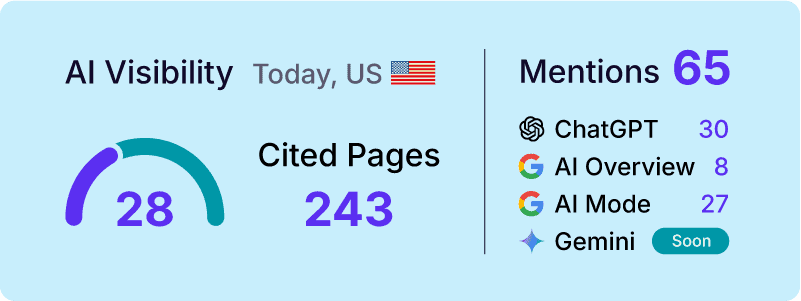
In SEO, success was measured by tracking keyword rankings, organic impressions, and organic clicks. While there will continue to be a place for traditional search to respond to the millions of simple searches that occur every day, it can no longer be a brand’s sole organic focus. AEO success will be measured by references in AI responses (AI citations) and the ability to measure the sentiment of that response.
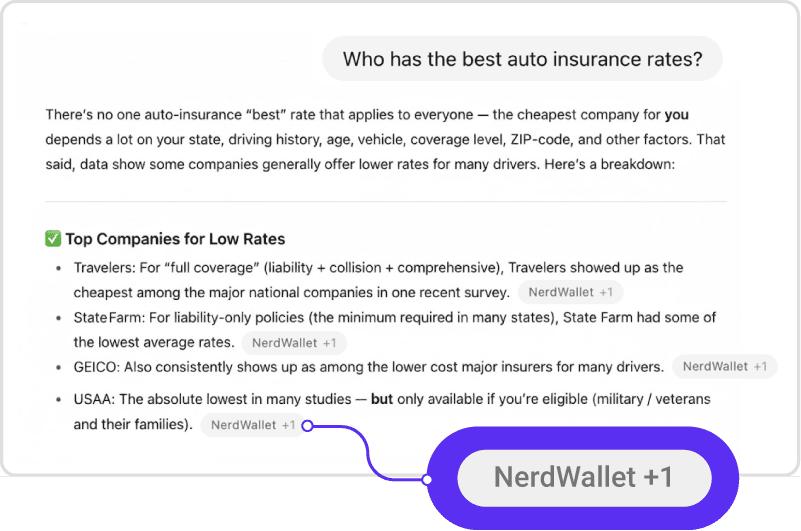
Success metrics to track moving forward:
- Brand inclusion rate across relevant prompts
- Citation rate
- Accuracy/sentiment of brand descriptions
- Competitive preference in comparison prompts
- Referral traffic from AI engines where available
4. Take Action
Fortunately, marketers can adapt strategies quickly to meet the demands of AI engine optimization. Ensuring websites have high-quality, authoritative (E.E.A.T) content that addresses a range of user questions will enhance AI results for your brand. Ansira recommends diving deeper into comparative content and content aimed at addressing common user questions about products and services. Optimize structured data, schema markup, site speed, and accessibility for crawlers (such as reducing JavaScript) to make it easy for engines to access your refreshed content. Ensure content is relatable to the end user and doesn’t rely on too many buzzwords — AI has difficulty understanding this type of content and won’t always associate it with a user’s natural language question.
Brands should also consider “earned” media — that is, brand mentions and conversations from third-party sources. This includes review management, social media campaigns, and other community management efforts to bolster brand image and sentiment across all mediums AI pulls from.
For brands with regional or national retail networks, providing co-op-eligible social media, reputation, and local listings management programs can incentivize local rooftops to take control of these conversations, influence customer sentiment, and shift overall brand perception — which will directly influence AI responses. For local rooftops, ask your regional brand representative about partnering with Ansira for media solutions to put your best foot forward in an AI-search world.
Companies that pivot to AEO early will hold an advantage against brands that don’t. They will be more discoverable in AI-powered organic search and will appear more trustworthy and authoritative as a result. In addition, they’ll be better positioned to adapt to further changes in the search space as AI-driven engines and consumer behavior continue to evolve.